
Stretching Routines for Better Flexibility
Discover comprehensive guidance on improving your flexibility through targeted stretching exercises designed for mature bodies. Explore evidence-based routines, techniques, and lifestyle practices that help you achieve greater range of motion and mobility.
Structured Flexibility Framework
Our editorial covers a systematic approach to flexibility training, from foundational concepts to advanced techniques tailored for your age group and fitness level.
Safe Exercise Protocols
Learn proper form, progression methods, and injury prevention strategies specifically developed for maintaining joint health and preventing overstretching.
Progressive Development
Understand how flexibility improvements build over time through consistent practice, realistic goal-setting, and gradual progression without forcing movement.

Did you know? Flexibility naturally decreases with age, but regular stretching can maintain or even improve your range of motion at any stage of life.
Key Features of Our Flexibility Content
Explore the core aspects of effective stretching and flexibility training designed for mature adults seeking sustainable improvement.
Daily Routine Structures
Comprehensive guidance on building sustainable daily stretching routines that fit into your schedule, whether you have 10 minutes or 30 minutes to dedicate to flexibility work.
Body Awareness Training
Learn to listen to your body's signals, understand individual differences in flexibility, and develop proprioceptive awareness that enhances safety and effectiveness.
Breathing Integration
Discover how proper breathing techniques enhance stretching effectiveness, reduce tension, and promote relaxation throughout your flexibility practice sessions.
Long-Term Planning
Understand periodisation principles, how to structure flexibility training over weeks and months, and strategies for maintaining improvements throughout the year.
Complementary Practices
Learn how stretching integrates with strength training, cardiovascular exercise, posture work, and other wellness practices for comprehensive mobility development.
Evidence-Based Insights
Access research-informed perspectives on flexibility development, understanding what works, what doesn't, and how to individualise your approach based on current science.
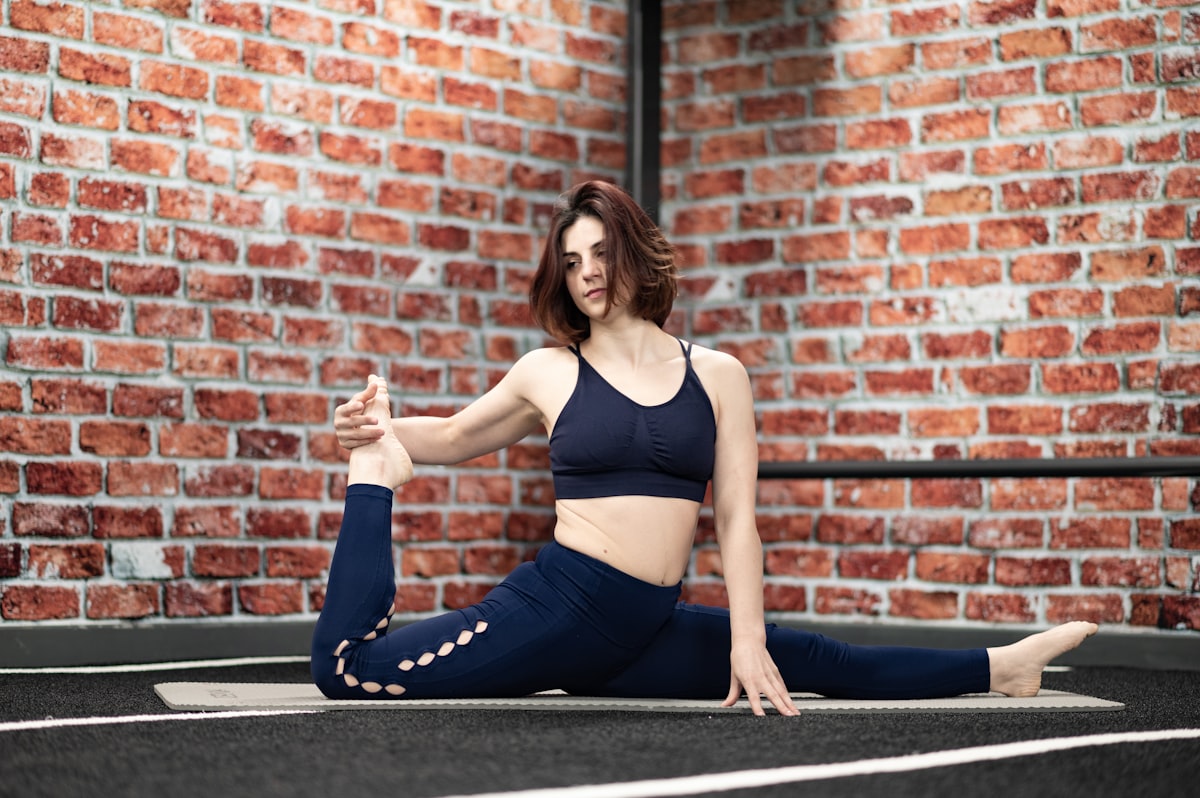
Dynamic vs Static Stretching Explained
Understanding the difference between stretching methods helps you apply the right technique at the right time for optimal results and injury prevention.
Dynamic Stretching
Involves moving through ranges of motion in a controlled manner. Most effective as part of warm-up routines before activity, preparing muscles and joints for work ahead.
Static Stretching
Involves holding a stretch position without movement, typically done after activity or as standalone sessions. Allows deeper exploration of range and supports relaxation.
PNF Stretching (Proprioceptive Neuromuscular Facilitation)
Advanced technique combining stretching with gentle contractions, often producing significant range improvements. Requires understanding of proper technique and body awareness.
5-Step Stretching Methodology
A systematic approach to developing flexibility safely and effectively throughout your flexibility journey.
Assessment & Baseline
Evaluate your current flexibility levels, identify areas of tightness, understand your individual baseline. This forms the foundation for your personalised routine and helps you track progress accurately.
Routine Development
Build a customised stretching routine targeting your priority areas, incorporating both dynamic and static techniques. Structure sessions for consistency and sustainability in your daily life.
Technique Mastery
Learn proper form, alignment, and breathing patterns for each stretch. Understanding correct technique maximises benefits while minimising injury risk and promoting long-term safety.
Progressive Advancement
Gradually increase stretch duration, depth, or complexity as your flexibility improves. Progress through variations and advanced techniques while respecting your body's readiness and capacity.
Maintenance & Lifestyle
Establish sustainable practices that integrate stretching into your daily life. Learn how consistency, complementary activities, and lifestyle factors support long-term flexibility maintenance and wellbeing.
Targeted Stretching Routines
Specialised routines addressing specific areas and needs for comprehensive flexibility development.
Lower Body Flexibility
Target hamstrings, hip flexors, calves, and glutes with routines designed to improve lower body mobility and reduce tightness from prolonged sitting.
Learn moreUpper Body & Shoulders
Address shoulder tightness, chest restriction, and arm mobility through targeted routines that improve posture and reduce shoulder discomfort from daily activities.
Learn moreSpinal Mobility
Improve back flexibility and spinal health with routines addressing rotation, lateral flexion, and extension while maintaining core stability and safety.
Learn moreMorning Wake-Up Routine
Gentle dynamic stretches to activate your body after sleep, improve circulation, and prepare you for daily activities with renewed mobility.
Explore routinesEvening Relaxation Session
Slow, sustained stretches performed before bedtime to reduce tension, promote relaxation, and support better sleep quality and recovery.
Explore routinesPost-Activity Cool-Down
Structured stretching sequences to perform after exercise or activity, enhancing recovery and preventing delayed-onset muscle soreness and stiffness.
Explore routinesBenefits Comparison: Stretching Methods
Understanding the strengths and applications of different stretching approaches helps you choose the right method for your goals.
| Method | Best Time | Primary Benefits | Key Considerations |
|---|---|---|---|
| Dynamic Stretching | Pre-activity warm-up | Increases circulation, prepares muscles, improves movement quality | Requires controlled movement, moderate intensity |
| Static Stretching | Post-activity, dedicated sessions | Enhances range of motion, promotes relaxation, reduces tension | Hold times 20-30 seconds, avoid bouncing |
| PNF Stretching | Dedicated flexibility sessions | Rapid range improvement, engages neuromuscular system | Advanced technique, requires proper instruction |
| Yoga-Based Stretching | Any time, often evening sessions | Combines flexibility with breath work, mindfulness, balance | Holistic approach, varied intensity levels available |
| Foam Rolling / Self-Myofascial Release | Pre or post-activity | Releases muscle tension, improves mobility, enhances recovery | Avoid direct contact with joints, moderate pressure |
Common Flexibility Questions
Find answers to frequently asked questions about stretching, flexibility development, and safe practice.
For meaningful flexibility improvements, aim for stretching sessions 5-7 days per week. Even 10-15 minute daily sessions produce better results than longer, sporadic sessions. Consistency matters more than duration. If time is limited, prioritise key areas of tightness rather than attempting a full-body routine.
No, flexibility can be improved at any age. While natural flexibility decreases with ageing, consistent stretching demonstrates measurable improvements regardless of your starting point or age. Many people experience significant range-of-motion gains in their 60s, 70s, and beyond. Patience and consistent practice are key, and progress may be more gradual than in younger years.
Both have value for different purposes. Before exercise: use dynamic stretches to prepare muscles and increase circulation. After exercise: perform static stretches to aid recovery and improve range of motion. Static stretching before intense activity may slightly reduce performance, so save deep stretching for post-activity cool-downs or dedicated flexibility sessions.
Most people notice initial improvements within 2-3 weeks of consistent stretching, such as increased range of motion and reduced stiffness. More significant flexibility gains typically appear after 6-8 weeks of regular practice. Progress varies based on starting point, age, and consistency. The key is to stretch regularly—ideally daily or at least 4-5 times per week—and be patient with your body's natural adaptation timeline.
Light, gentle stretching can help reduce muscle tension and improve blood flow after intense workouts, which may ease soreness. However, it won't eliminate delayed-onset muscle soreness (DOMS) entirely—that's a natural part of muscle adaptation. Focus on gentle stretches, foam rolling, adequate hydration, and proper nutrition to manage post-workout soreness. Static stretching is most beneficial during cool-down phases when muscles are warm.
What Men Over 40 Are Saying
Real stories from real people who've improved their flexibility and mobility.
"I was skeptical about flexibility training at 52, but these stretches have genuinely transformed how I feel. No more back pain during my morning routine, and I can actually touch my toes now!"
James Mitchell, 52
Retired Software Engineer
"As a golfer, mobility is everything. These stretches have improved my swing and reduced my recovery time between rounds. Best investment in my game yet."
David Chen, 48
Business Owner & Golf Enthusiast
"I appreciate how detailed and beginner-friendly the guides are. No confusing fitness jargon—just clear instructions I can follow at home before work."
Robert Williams, 55
Marketing Manager
"Never too late to improve. I started these stretches at 60 and feel 10 years younger. My kids are even asking me what I'm doing differently!"
Michael Torres, 60
Consultant
Ready to Move Better & Feel Younger?
Get access to our complete flexibility guide, video demonstrations, and personalized stretching routines designed specifically for men over 40.
No credit card required • PDF guide + video access • Start in minutes
Mature Men Essentials
Fitness, wellness, and vitality for men over 40.
Resources
© 2024 Mature Men Essentials – VAT: GB115 3292 21. All rights reserved. | Helping men over 40 thrive with proven wellness strategies.