
Unlock Your Flexibility Potential
Discover how targeted stretching routines can transform your mobility, reduce tension, and enhance your overall wellbeing. Whether you're beginning your flexibility journey or seeking to deepen your practice, our comprehensive guides are designed for mature bodies with real-world needs.
Join our community of readers exploring evidence-based approaches to flexibility and movement health.

Why Stretching Matters for Mature Bodies
Improved Mobility
Regular stretching helps restore and maintain the range of motion your joints need for everyday activities, from reaching overhead to bending down comfortably.
Reduced Tension
Targeted routines can help ease muscle stiffness, improve circulation, and promote relaxation throughout your body, enhancing your sense of wellbeing.
Better Balance
Flexibility work strengthens stabilising muscles and proprioceptive awareness, contributing to greater confidence and safety in movement.
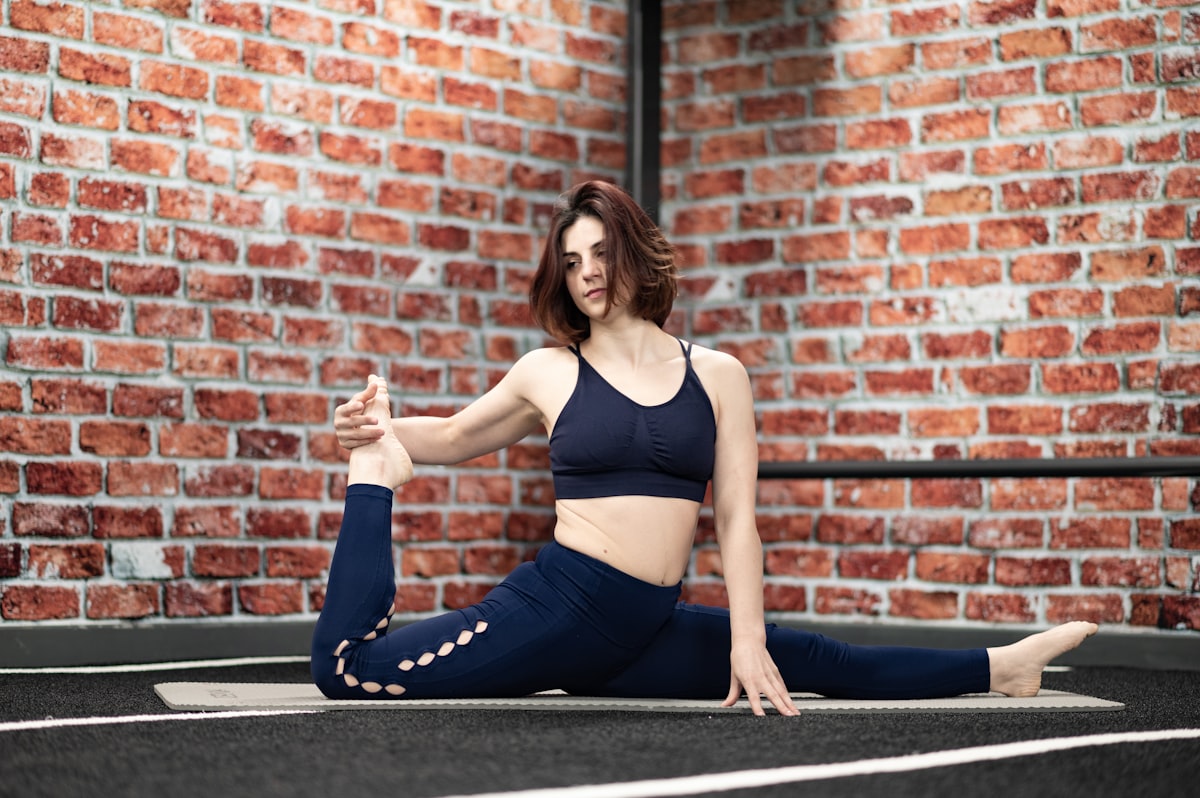
Our Approach to Flexibility Education
Maturemenessentials was created to provide clear, practical guidance on stretching routines specifically tailored for mature bodies. Our content draws from established movement principles and respects the unique needs of different age groups and fitness levels.
- Evidence-Based: Our guides reference established stretching science and movement practices.
- Realistic & Practical: Routines you can do at home, at work, or outdoors with minimal equipment.
- Community-Focused: Written by people who understand the real challenges of maintaining flexibility over time.
- Transparent & Honest: We explain what stretching can and cannot do, and encourage sensible progression.
Your 5-Step Flexibility Journey
Assess Your Starting Point
Begin by understanding your current flexibility and any areas of tightness or discomfort. This helps you choose appropriate routines and track your progress over time.
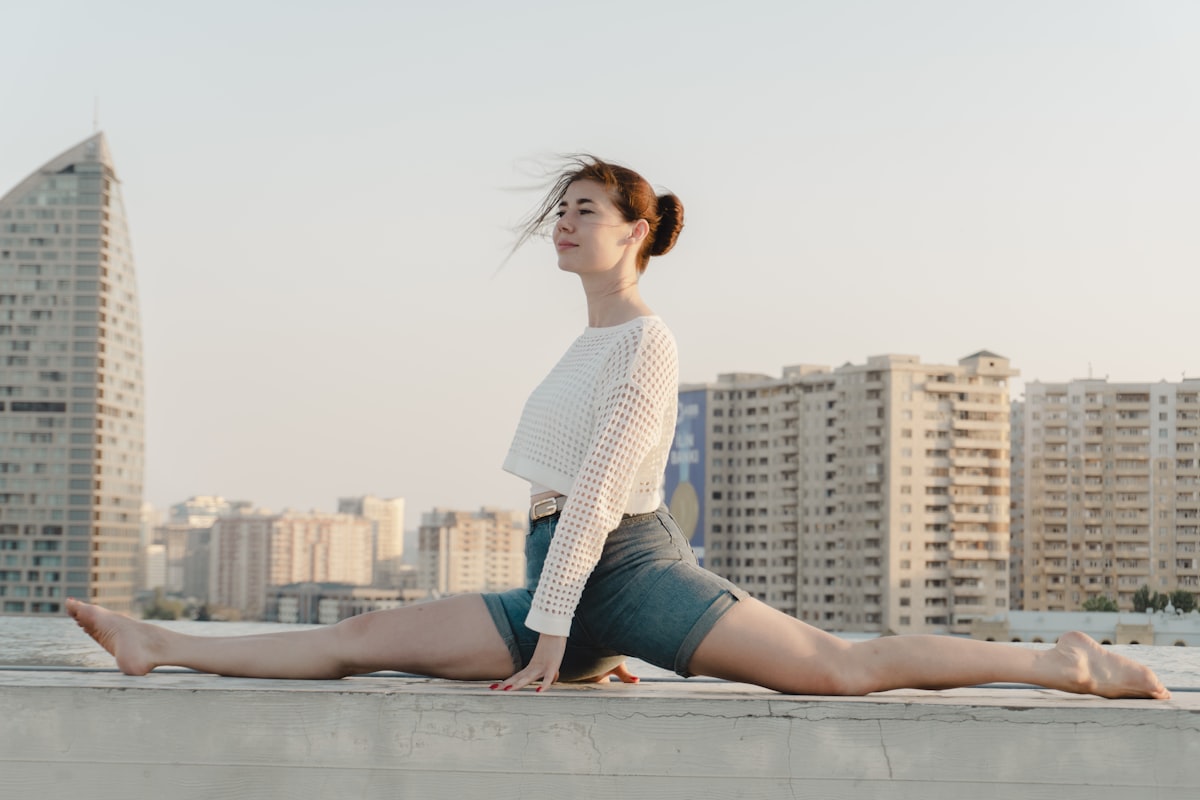
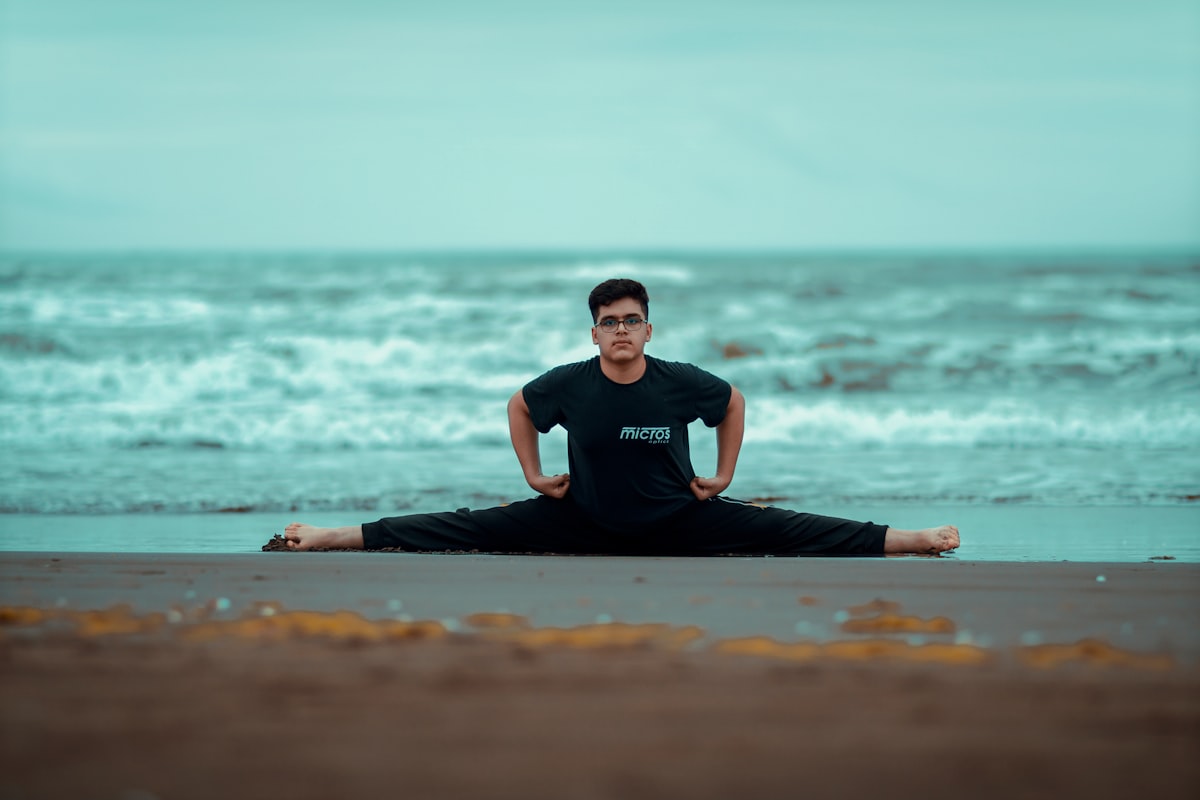
Learn Proper Technique
Discover the correct form for basic stretches. Proper technique prevents injury and ensures you're targeting the intended muscles effectively.
Build Your Routine
Select stretches that address your specific needs and combine them into a manageable routine. Start with 10-15 minutes and gradually extend as your flexibility improves.
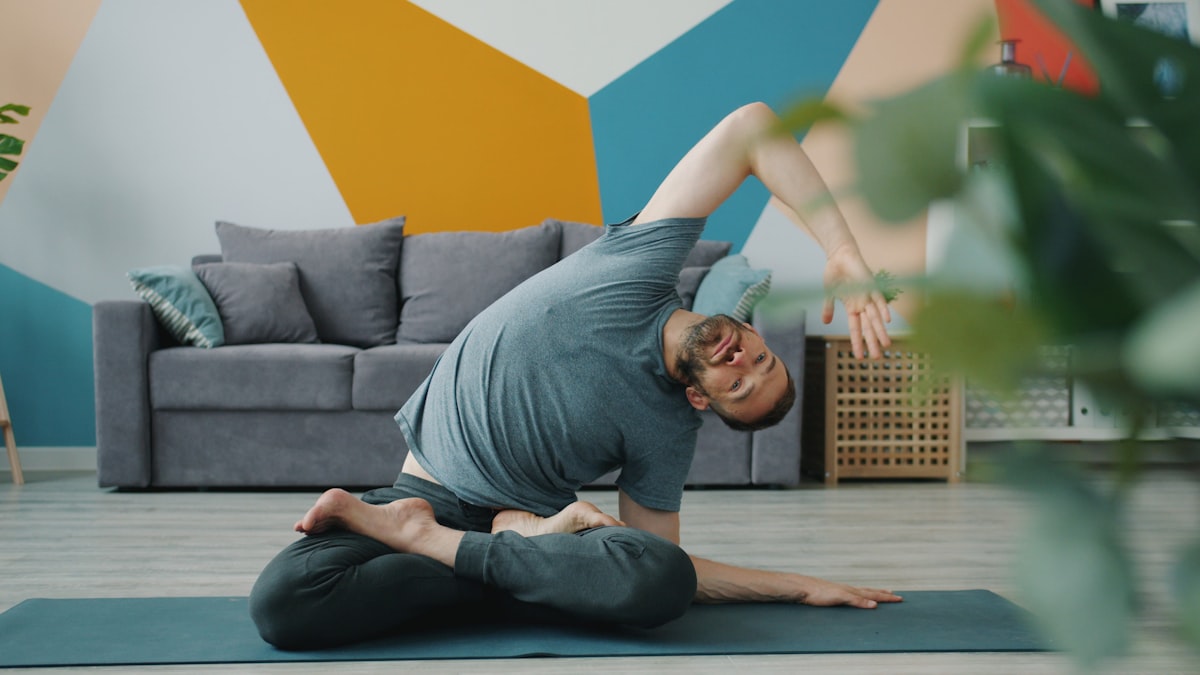
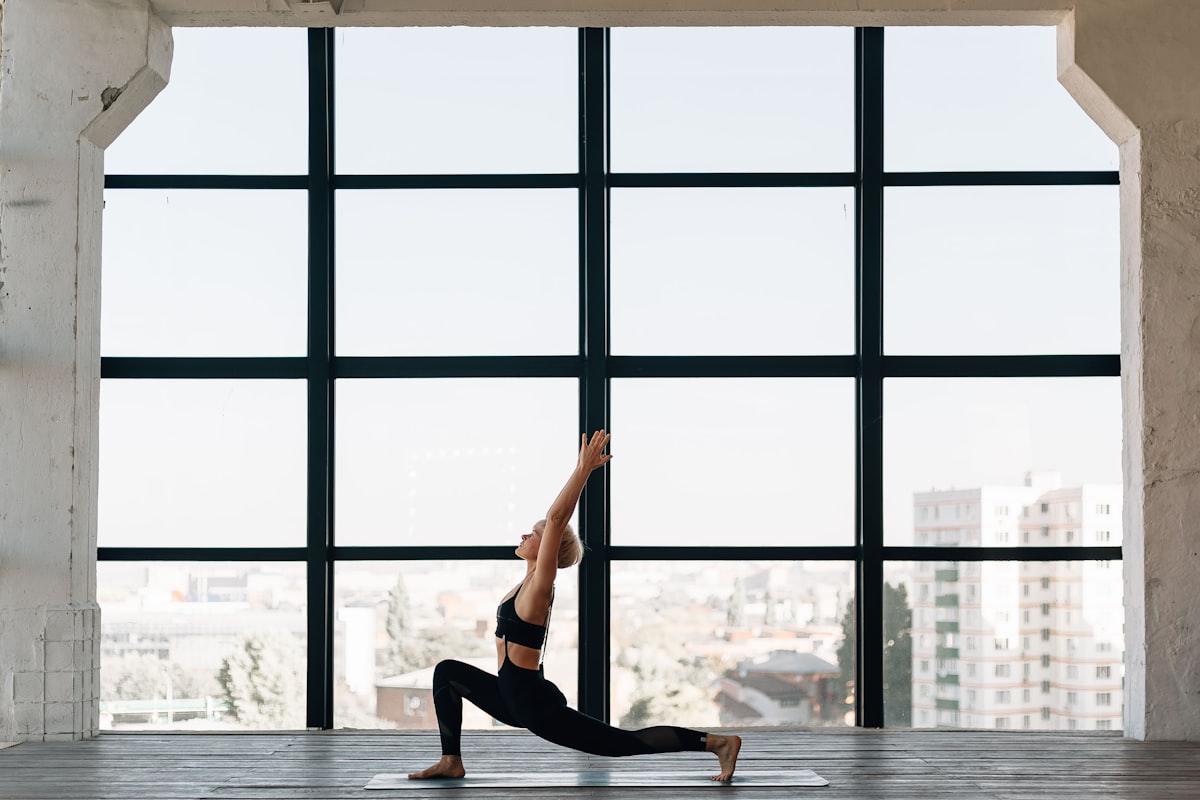
Practice Consistently
Flexibility improvements come from regular practice, ideally 5-6 days per week. Even 10-15 minutes daily yields better results than occasional intense sessions.
Progress & Adapt
As your flexibility improves, gradually challenge yourself with deeper stretches or more advanced routines. Monitor your body's feedback and adjust as needed.
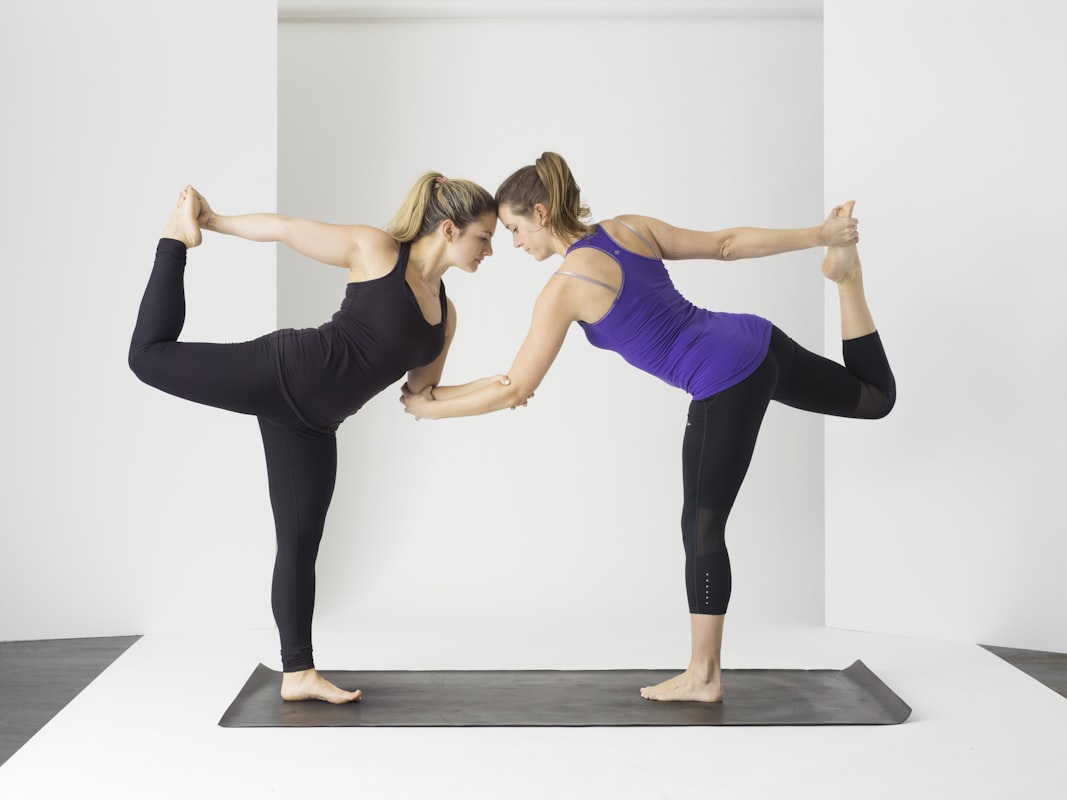
Featured Stretching Techniques
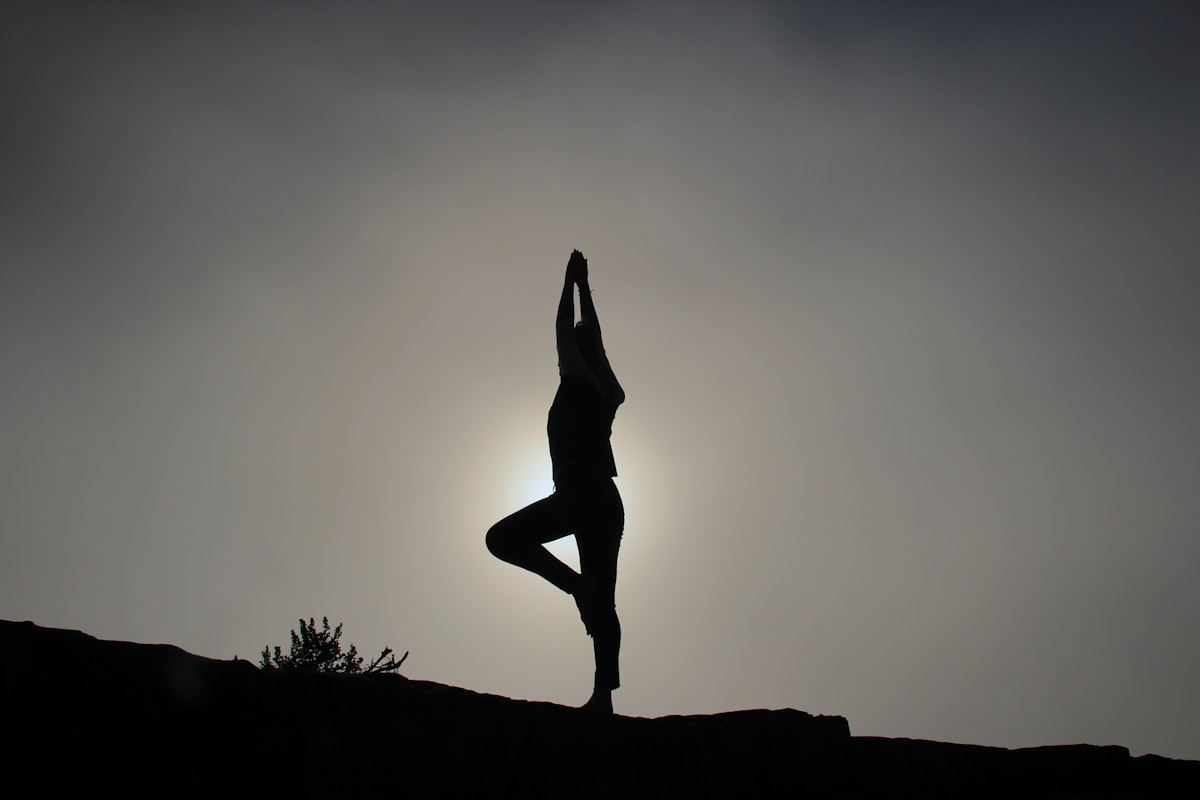
Hamstring & Hip Flexibility
Learn how to safely stretch the back of your legs and hips, crucial for comfortable sitting and walking.
Read more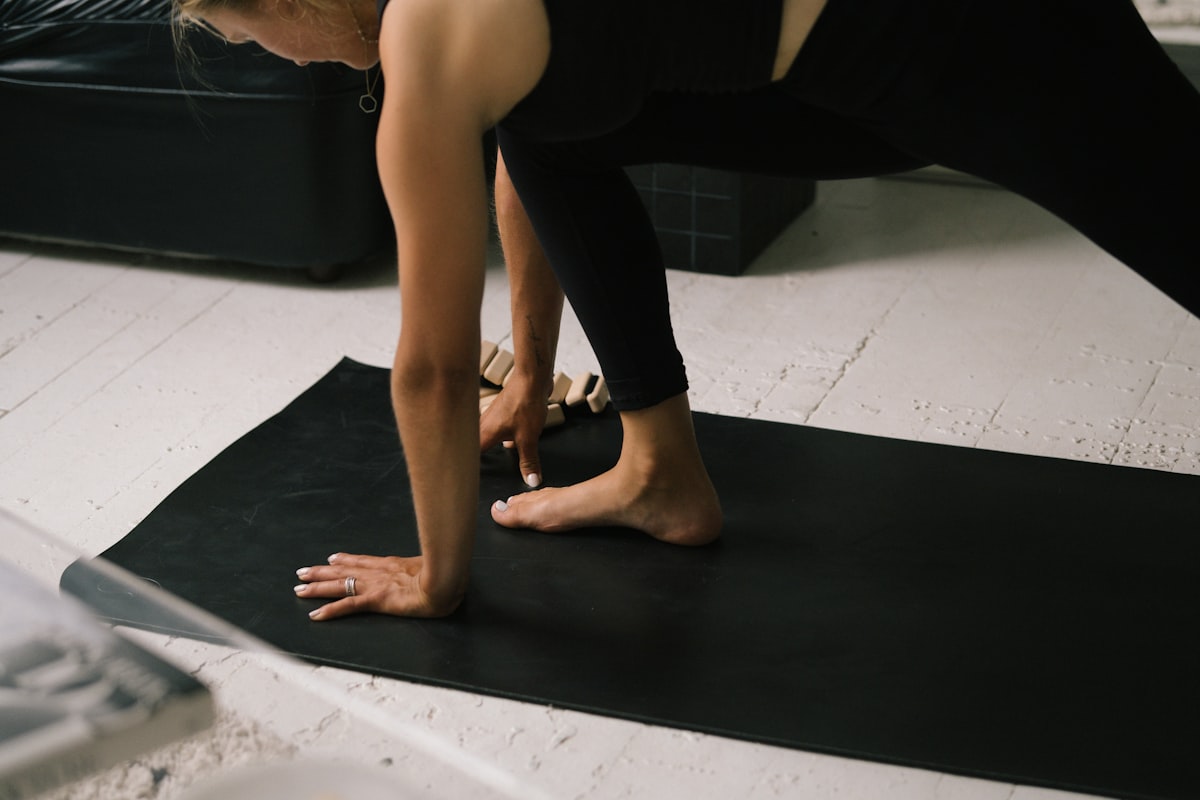
Shoulder & Chest Opening
Targeted stretches to relieve upper body tension and improve posture, essential for computer users and desk workers.
Read moreSpine & Lower Back Care
Gentle, effective stretches to maintain spinal mobility and reduce lower back discomfort throughout daily activities.
Read moreSuccess Stories from Our Community (*Individual results may vary)
"After months of tightness from office work, I started following the shoulder and chest routines. Within three weeks, I noticed a real difference in my posture and how much easier it is to reach for things. The instructions are so clear and the stretches never hurt—they just feel good. I've been practising five days a week and my wife has noticed the improvement in how I move."
Michael Thompson
Birmingham, UK
"I was sceptical at first, thinking stretching wouldn't make much difference at my age. But these routines are genuinely thoughtful. They start gently and build logically. I've been doing the full-body routine three times a week for six weeks and I feel more flexible than I have in years. My back feels better and I'm sleeping more soundly. Highly recommend this resource to anyone over fifty."
Susan Clarke
Manchester, UK
"As someone recovering from a knee injury, I needed safe ways to maintain flexibility without aggravating the problem. The guides here are so thoughtful about modifications and listening to your body. I appreciate that they never promise miracles—just honest advice on how to stretch better. It's been exactly what I needed during my recovery period."
David Hayes
London, UK
"I've tried various fitness apps and YouTube channels, but nothing beats the clarity and professionalism here. The routines are well-structured, the explanations are easy to follow, and there's no pressure or gimmicks. It feels like learning from someone who genuinely cares about helping people maintain mobility as they age. I'm recommending it to all my friends at the community centre."
Patricia Young
Edinburgh, UK
Common Questions Answered
Most flexibility improvements come from consistent, regular stretching rather than intensity. We recommend stretching 5-6 days per week for 10-15 minutes per session. Even three times weekly will produce noticeable results over 4-6 weeks. Consistency matters far more than duration. Some people find morning stretching energising, whilst others prefer evening sessions to unwind—choose a time you can stick with.
Our guides emphasise listening to your body and working within a pain-free range. If you have specific injuries or chronic conditions, we recommend consulting your GP, physiotherapist, or healthcare provider before starting any new routine. They can advise which stretches are appropriate for your situation. The routines on this site include many modifications and gentler alternatives, but professional guidance tailored to your medical history is invaluable. We never promise to replace professional medical advice.
Most people report noticing subtle changes within 2-3 weeks of consistent stretching, such as reduced stiffness in the morning or an easier range of motion during daily activities. More significant flexibility gains typically develop over 6-12 weeks. Progress varies based on your starting point, age, consistency, and how your body responds. Keep realistic expectations—flexibility training is a gradual, sustainable process rather than a quick fix. Keeping a simple log of how you feel and move can help you recognise improvements you might otherwise miss.
No. All our core routines require nothing but your own bodyweight and a small space. A yoga mat or folded towel can add comfort, and a sturdy chair or wall provides support for balance work, but these are optional. Some routines mention props like resistance bands or foam rollers, but we always provide alternatives using no equipment. This approach makes it easy to stretch anywhere—at home, in the garden, or even whilst travelling. The focus is on accessibility, not selling equipment.
Static stretching—where you hold a stretch for 20-30 seconds—is best after activity or as a dedicated flexibility session to increase your range of motion. Dynamic stretching—controlled, flowing movements that gently challenge your limits—works better before exercise as a warm-up. Our routines typically focus on static stretching held for 20-30 seconds per side, which research suggests is effective for improving flexibility. We explain the reasoning behind each approach so you can understand when and how to use them strategically in your own practice.
Stay Informed on Flexibility & Mobility
Subscribe to receive updates on new stretching guides, movement tips, and wellness articles from Maturemenessentials.
We respect your privacy. Unsubscribe at any time.
Ready to Begin Your Flexibility Journey?
Browse our complete collection of stretching routines, techniques, and guides designed specifically for mature bodies. Each routine is explained in detail with clear instructions, modifications, and guidance on how to progress safely.